SPIDER Platform

Fusing intent with reality.

SPIDER, the spatial intelligence platform, aligns your 3D models, technical data, and instructions with the physical asset, so people and robots know exactly where to work.
What SPIDER is

One spatial data layer for every asset.

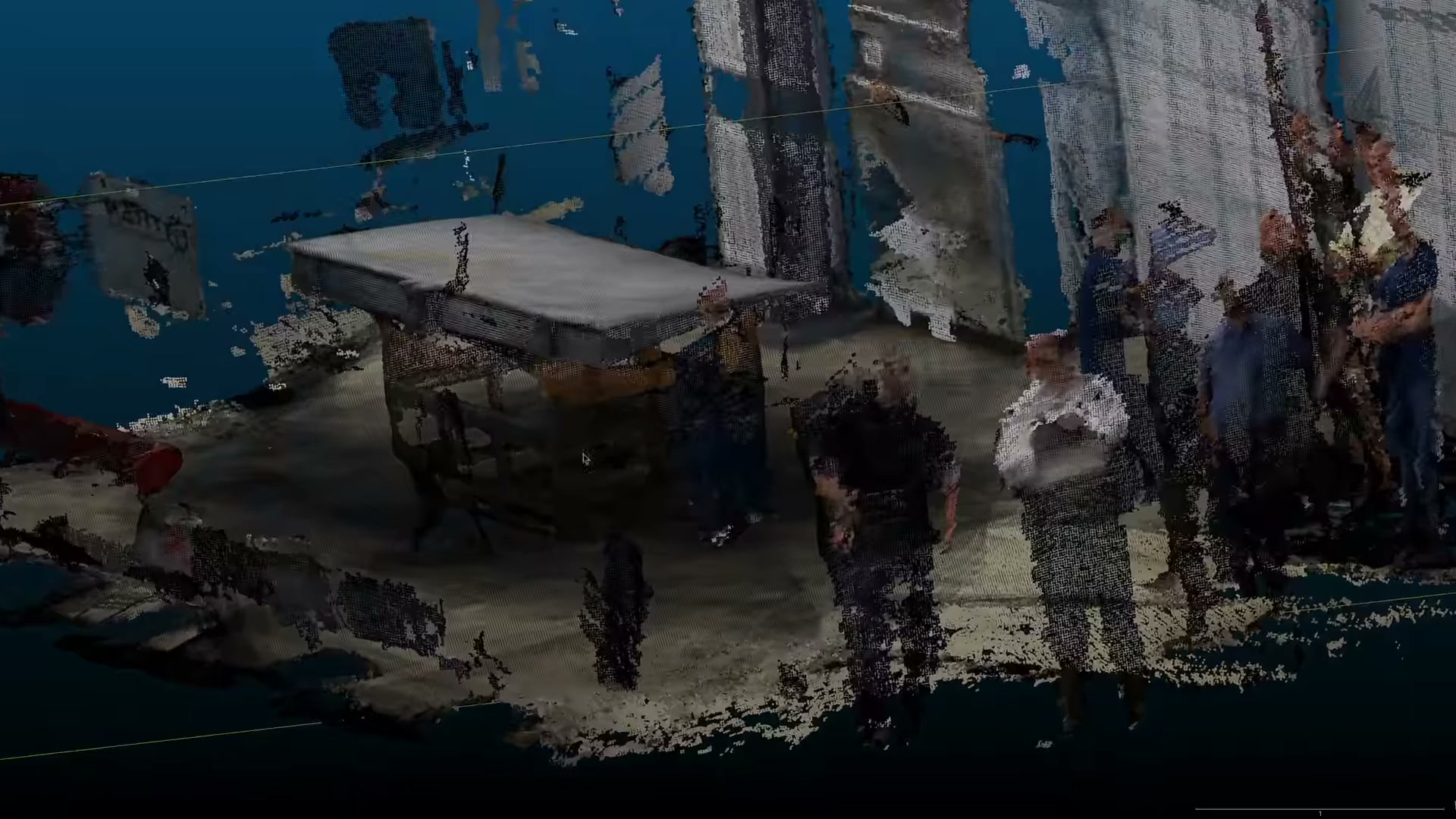
CAD models, task orders, and manuals describe an asset as designed. The real asset sits in a different position, in a different condition, every time it reaches the floor.

SPIDER connects the two. It creates, processes, understands, and distributes 3D data as one foundational layer, so everyone working on the asset works from the same spatial model.

How it works

From your data to the asset.

AI models trained on your data feed spatial APIs, and the APIs power the applications your teams and robots use.

Inside the SPIDER platform

From your data, through AI models and spatial APIs, to applications.

Three steps to work on the asset

  1. Step 1 · Your data Bring the data you already have 3D models, captures, manuals, videos, images, and labels.
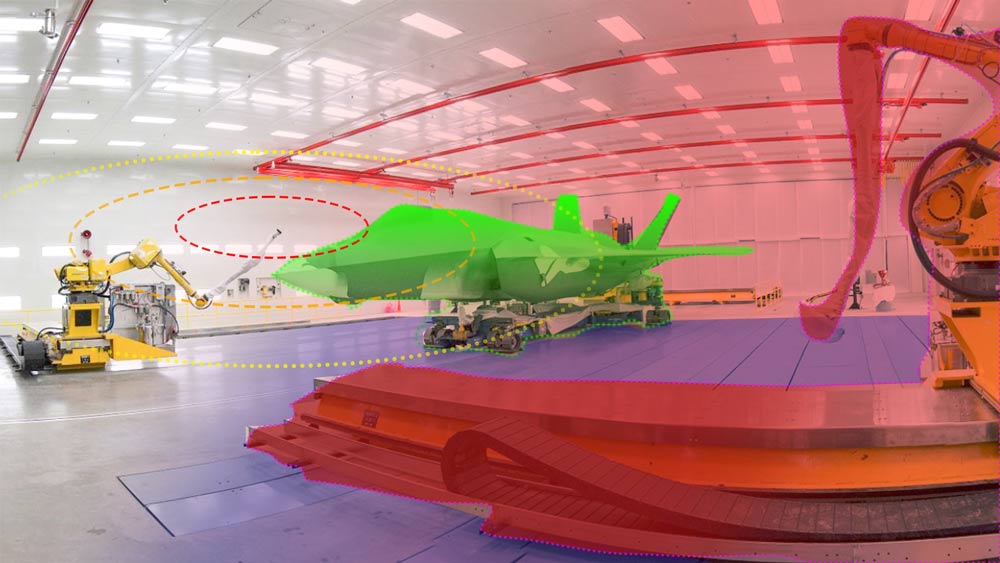
  2. Step 2 · SPIDER spatial AI SPIDER maps it to the asset AI models and spatial APIs recognize the asset, then align and track your data on it in 3D.
  3. Step 3 · Applications Teams and robots act on it Assisted work, inspection, training, and robotics, in GridRaster apps or your own.

Multimodal AI

Spatial understanding, trained on your data.

SPIDER ingests images, videos, 3D models, point clouds, technical manuals, task orders, labels, and part identifiers, then trains models against your data. The result is spatial understanding tuned to your assets and your environment, not a generic model applied to them.

Spatial APIs

  • Segmentation

    Separates the asset and its parts from everything around them.

  • Registration

    Aligns the digital twin with the physical asset.

  • Localization & tracking

    Finds the asset without markers and follows tools and parts in real time.

  • Digital twin

    Builds digital twins from 3D captures or CAD.

  • Defect detection

    Detects and classifies defects on the asset.

  • Robot interface

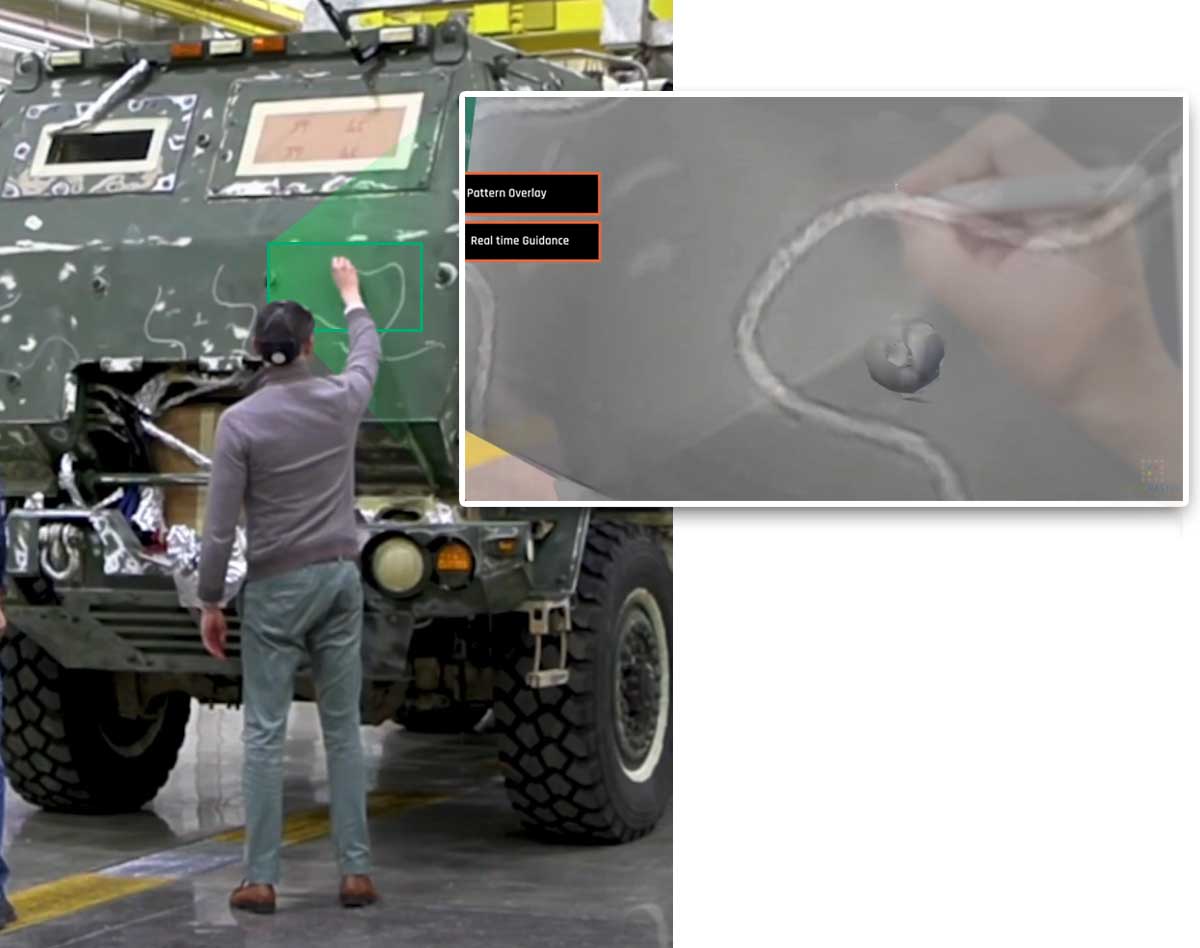
    Converts a selected work area into robot-ready coordinates.

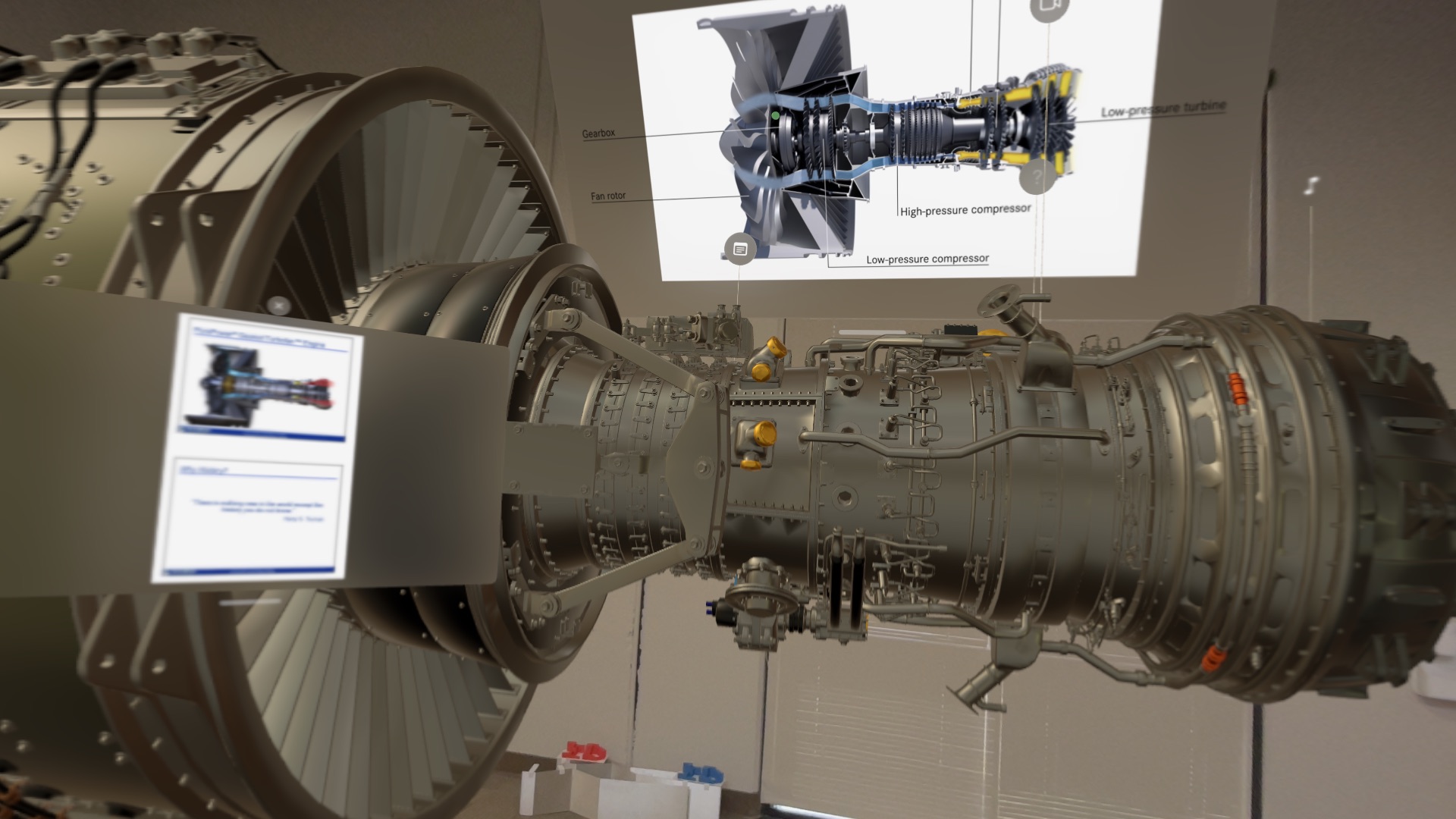
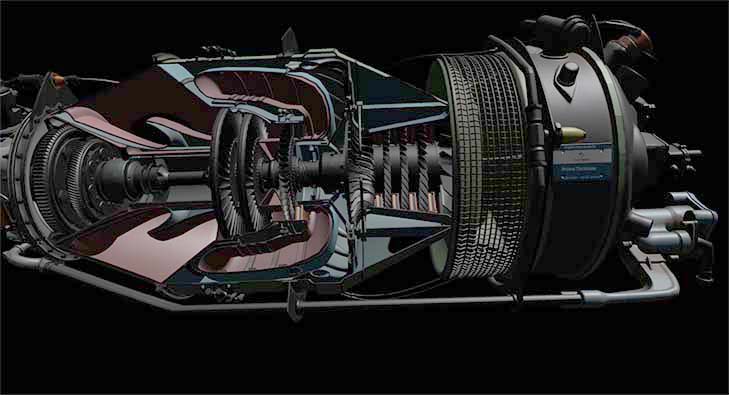
High-polygon digital twin of a jet engine with its internal components
Heavy processing runs on the SPIDER Hub, so every device shows the full-fidelity model.

Performance & integration

Full fidelity, connected to your systems.

The model your teams see is the model of record, at full detail, in the systems you already run.

  • Streams high-polygon 3D meshes without decimation
  • Syncs with PLM systems, so the model in XR is the model of record
  • Connects to your existing systems through standard APIs
  • Searchable 3D database for AI-driven object recognition and overlays
  • AI-driven 3D model generation at a fraction of traditional time and cost

Proven in the field

Reported field results

Explore the workflow
  • 90%reduction

    Robotics setup

    Down to minutes from hours.

  • 10×faster

    Twin creation & localization

    Digital twin creation and part localization.

  • 1/10ththe cost

    Lower cost

    Compared with conventional approaches.

Deployment & security

Runs where your data has to stay.

On-premises, air-gapped, or in an authorized government cloud, under your own IT and cybersecurity administration.

Learn More
  • On-premises or air-gapped

    The SPIDER Hub runs on your site, managed by your IT team, and can operate fully isolated from the internet.

  • Encrypted at every step

    FIPS-compliant on devices, at rest, and in transit.

  • Works on the devices you have

    Supports Apple Vision Pro, iOS, and Android XR.

Talk to our team

See SPIDER on your assets.

Tell us about your assets, workflows, and deployment needs, and we'll show you where SPIDER fits.

Critical Use Cases

CRITICAL USE CASE

Wiring Harness Verification & Validation

PLM systems that house the source of truth are rich, complex data structures and are traditionally challenging to “thread” into operational systems for manufacturing maintenance systems.

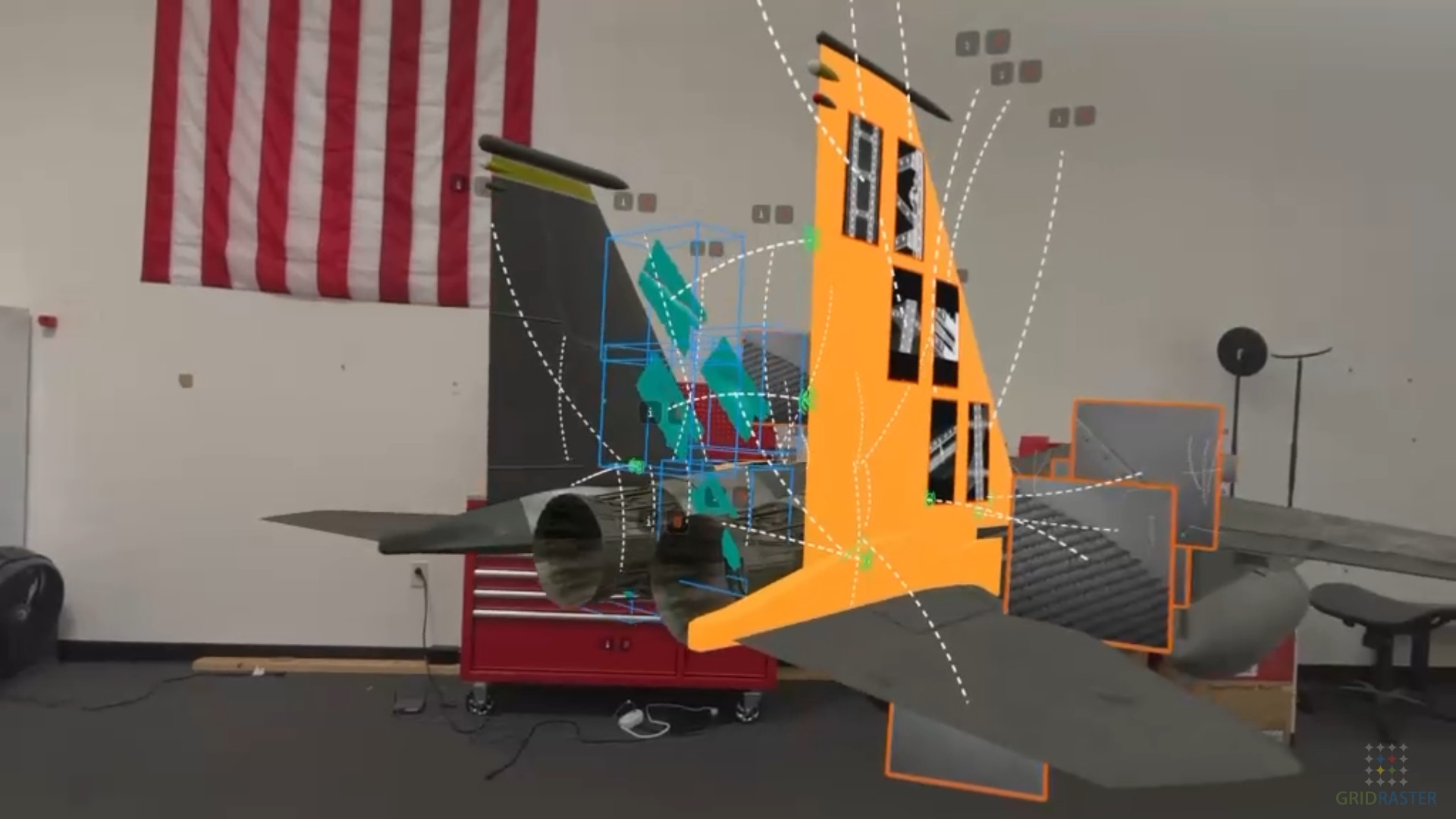
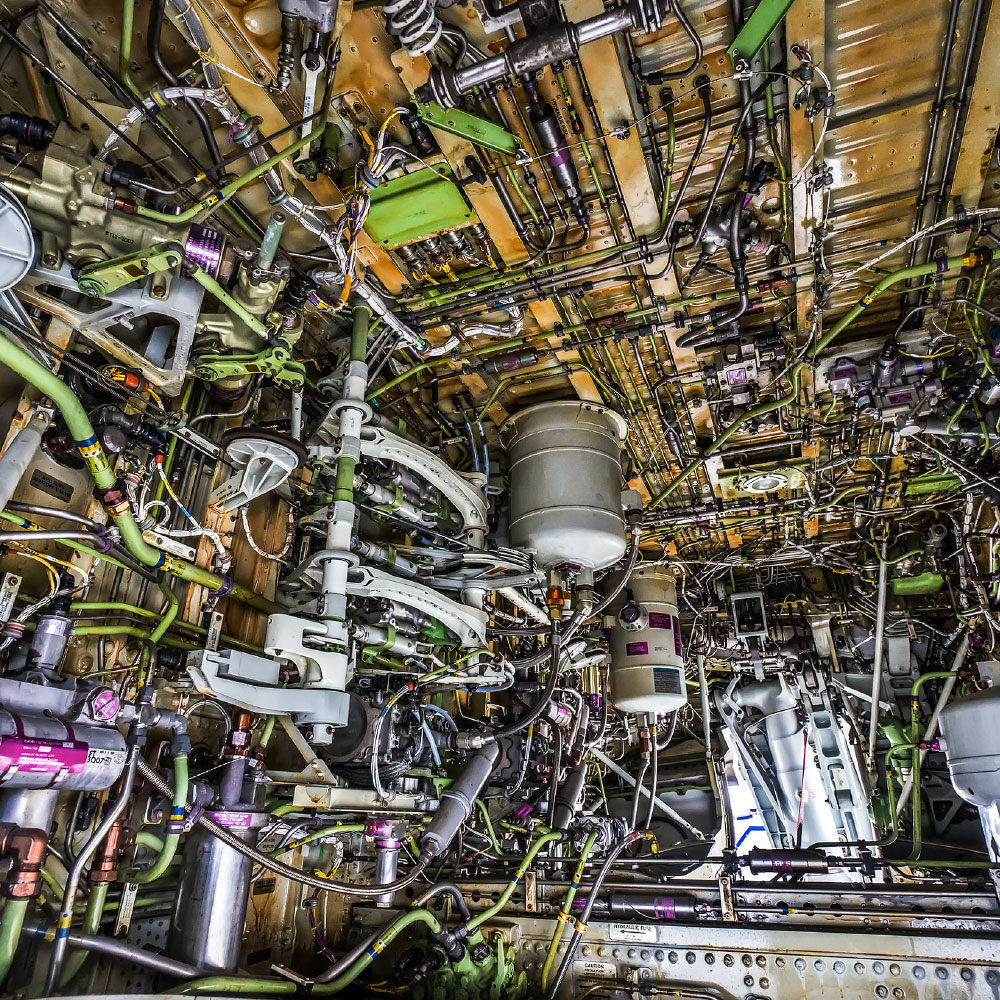
Wiring Harness verification and validation is a particularly challenging use case, where the intended design information is challenging to communicate in 2D format, and the possibilities for error in routing are virtually infinite.

SPIDER tackles these challenges by integrating and streaming complex data right to the end user in XR, dramatically reducing the likelihood for errors.

CRITICAL USE CASE

Real-Time Sensor
Data Streaming

SPIDER streams real-time sensor data onto the asset’s digital twin, changing how industries manage their assets.

At the core is high-resolution sensor data streaming (for example, from 3D capture devices) combined with algorithms that enable localization, mapping, and visualization of practical data and metadata.

A critical use case is defect mapping. By integrating captured sensor data seamlessly into the SPIDER digital twin, users gain unparalleled insight into the real-time condition of their assets along their life cycle. Applications include monitoring infrastructure integrity, optimizing maintenance schedules, or facilitating rapid response to defects.

SPIDER sets a new standard for asset management efficiency and effectiveness.

CRITICAL USE CASE

PLM System Integration

Traditionally, Product Lifecycle Management (PLM) systems, which store product geometry and metadata, and real-time XR experiences have functioned independently.

This separation limited the potential of XR applications in manufacturing and maintenance, especially for the aerospace, defense, and automotive industries where PLM is the crucial source of product truth.

SPIDER bridges this gap by seamlessly streaming PLM data into XR without extensive de-featuring, allowing users to experience rich product data from PLM systems within their real-time XR workflows.