Introducing SPIDER Active Task Assistance, transforming how technical work gets done on physical assets. With our SPIDER platform, we fuse engineering intent — patterns, placements, procedures — with physical reality, directly on the surface where the work happens.
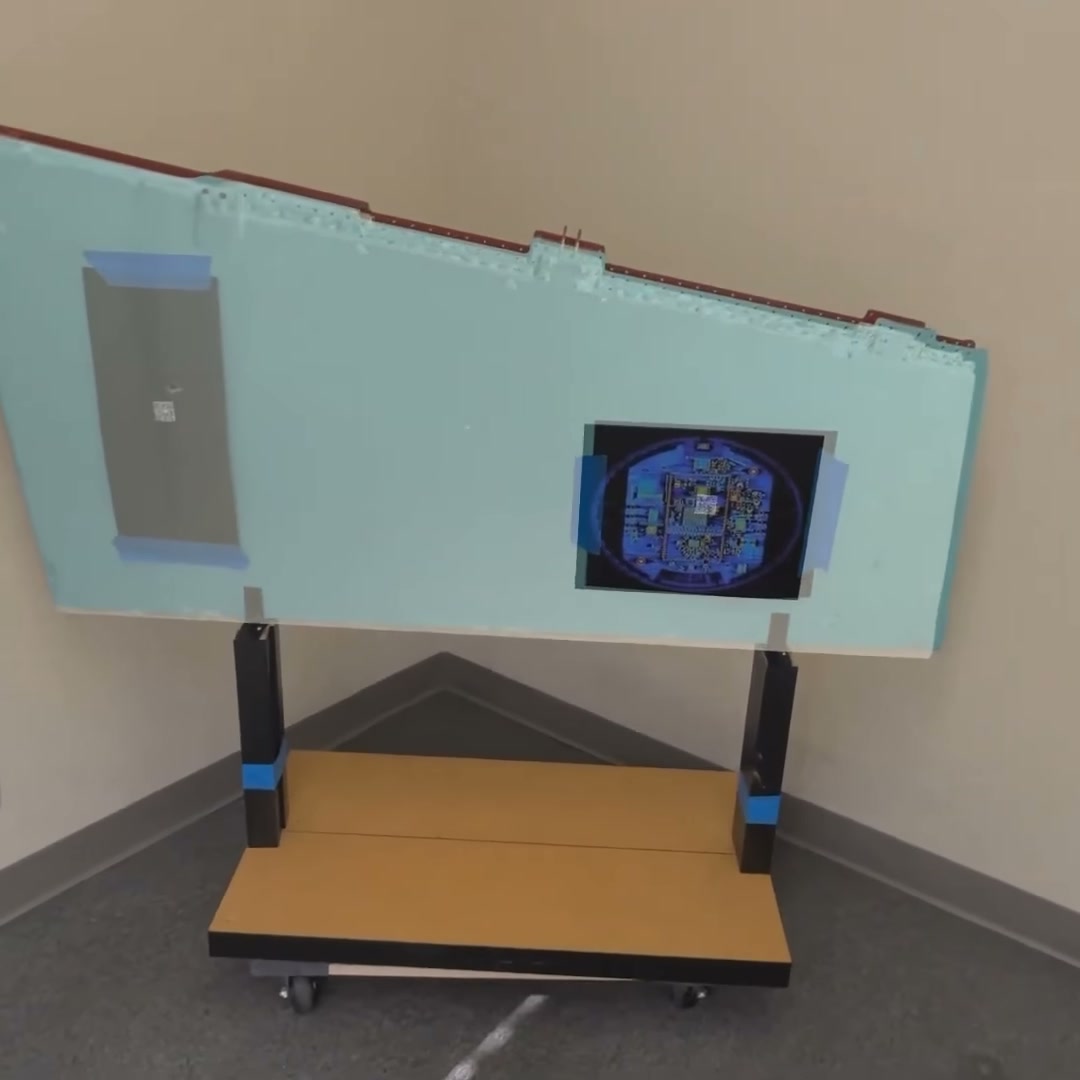
Using commercial off-the-shelf devices like Apple Vision Pro, SPIDER detects and localizes the asset, aligns the digital reference to the physical surface, and anchors the required task in context. Eliminate manual transfer from 2D drawings — our spatial AI marries intent with correction, dynamically and in real time.
GridRaster Active Task Assistance anchors the task to the asset and puts assisted work in motion in minutes.
GridRaster’s SPIDER platform addresses the challenges of manual task workflows:
Tasks anchored to the exact location on the physical asset (never interpreted from a separate drawing
Uniform results across technicians of every experience level, on every shift
Validation before irreversible steps reduces rework, wasted materials and added inspection time
Validated task data transmits straight to robotic systems, removing manual transfer steps
In the realm of large area scanning, SPIDER stands at the forefront, pioneering advancements that redefine the possibilities of XR content creation.
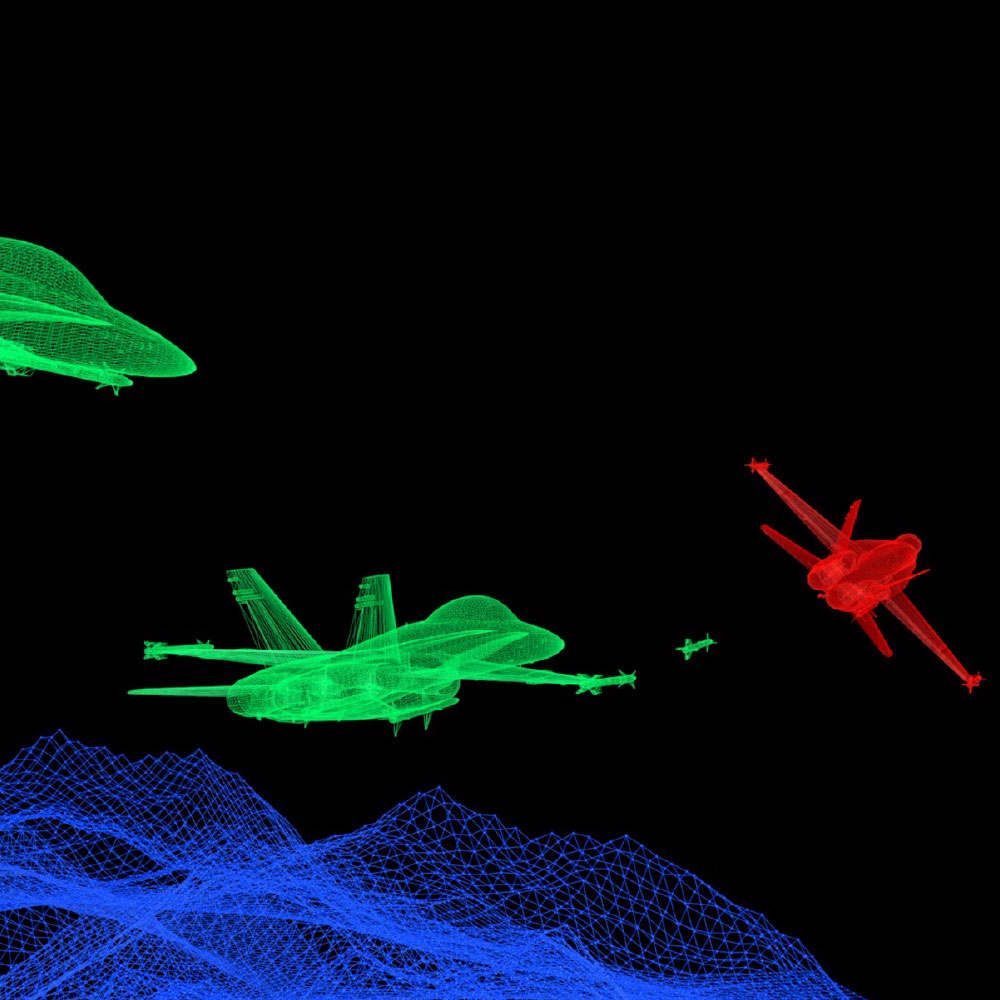
Through our innovative technologies, we’ve enabled automatic mesh model generation of vast aircraft parts, facilitating seamless path planning for maintenance robots. Demonstrating our capabilities, we’ve showcased how these generated 3D models empower robots to execute intricate tasks such as painting, anomaly detection, and defect identification with unparalleled precision.
Our solutions are not just about efficiency; they represent a paradigm shift in how industries approach maintenance operations. By streamlining processes and leveraging the power of automation, we’re empowering organizations to achieve new levels of productivity and reliability in their operations.
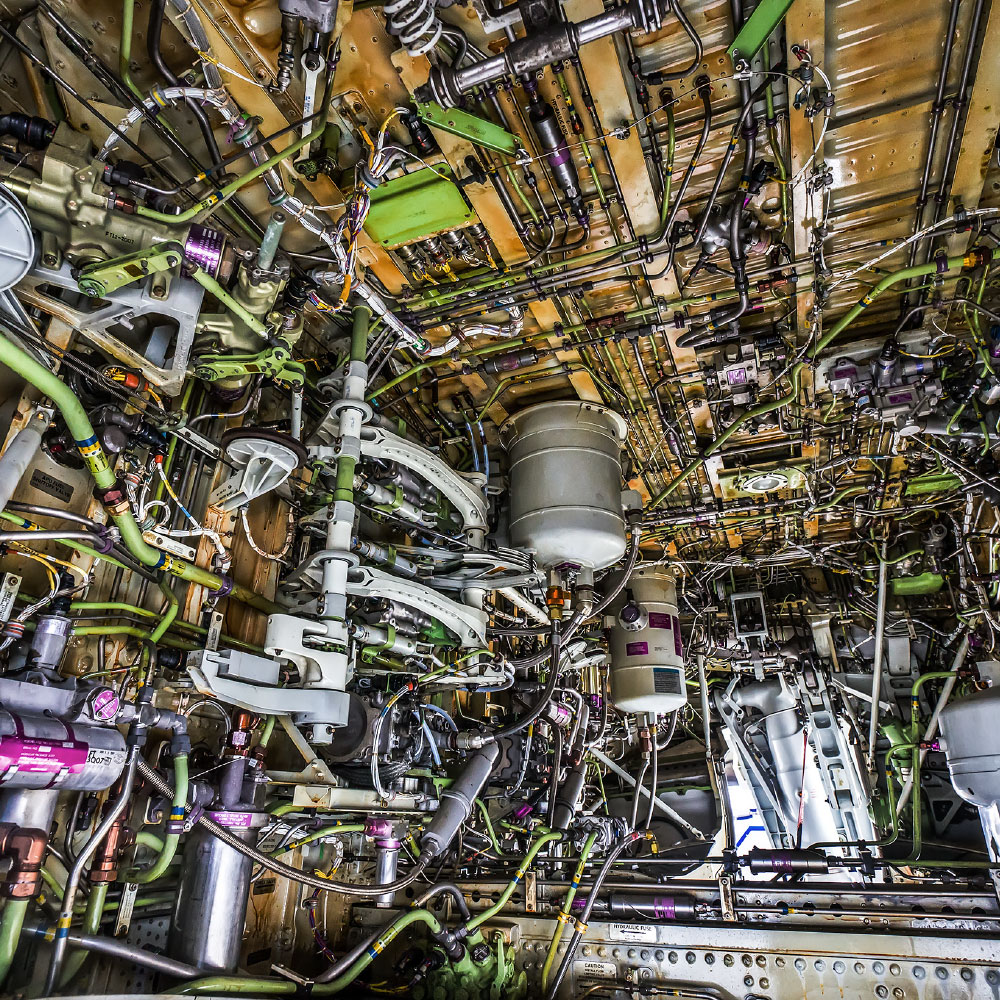
SPIDER empowers you to capture detailed 3D scans of even the most complex equipment, right down to individual subcomponents. Consider using your mobile device – a lidar-equipped tablet or smartphone – to meticulously scan equipment and its wires, hoses, parts and fasteners.
SPIDER refines the captured lidar and camera data, transforming it into functionally valuable, high-fidelity 3D models. This relieves countless hours of labor to manually model wire harnesses, and unlocks powerful analytics to address questions such as “Is this hose connected to the right fitting?”
With SPIDER, you can delve deeper into your equipment in its current and past states, gaining a comprehensive understanding of its inner workings at a fraction of the traditional cost. This empowers informed decision-making for maintenance, repair, and future design iterations.
Traditionally, creating high-fidelity digital twins of legacy equipment required specialized scanners, reducing accessibility and increasing costs. SPIDER breaks down these barriers with a revolutionary approach, requiring only commercially available lidar-equipped tablets or smartphones a fraction of the cost.
Imagine scanning a critical piece of machinery, like a this Flight Engineering Panel, with your iPad. SPIDER Digital Twin meticulously refines the captured lidar and camera data, resulting in a hybrid 3D model where even the smallest instrument markings are legible. This multiplies the utility of digital twins in the field and across many use cases.
SPIDER Digital Twin leverages cutting-edge technology to provide real-time sensor data streaming, revolutionizing the way industries manage their assets.
At the core of this innovation is high-resolution “sensor” data streaming (for example, scanners) combined with algorithms that enable precise localization, mapping, and visualization of practical data and metadata.
A critical use case is defect mapping. By integrating the scanning sensor data seamlessly into SPIDER Digital Twin, users are empowered to gain unparalleled insights into the real-time condition of their assets long their life cycle. Applications include monitoring infrastructure integrity, optimizing maintenance schedules, or facilitating rapid response to defects.
SPIDER Digital Twin sets a new standard for asset management efficiency and effectiveness.